
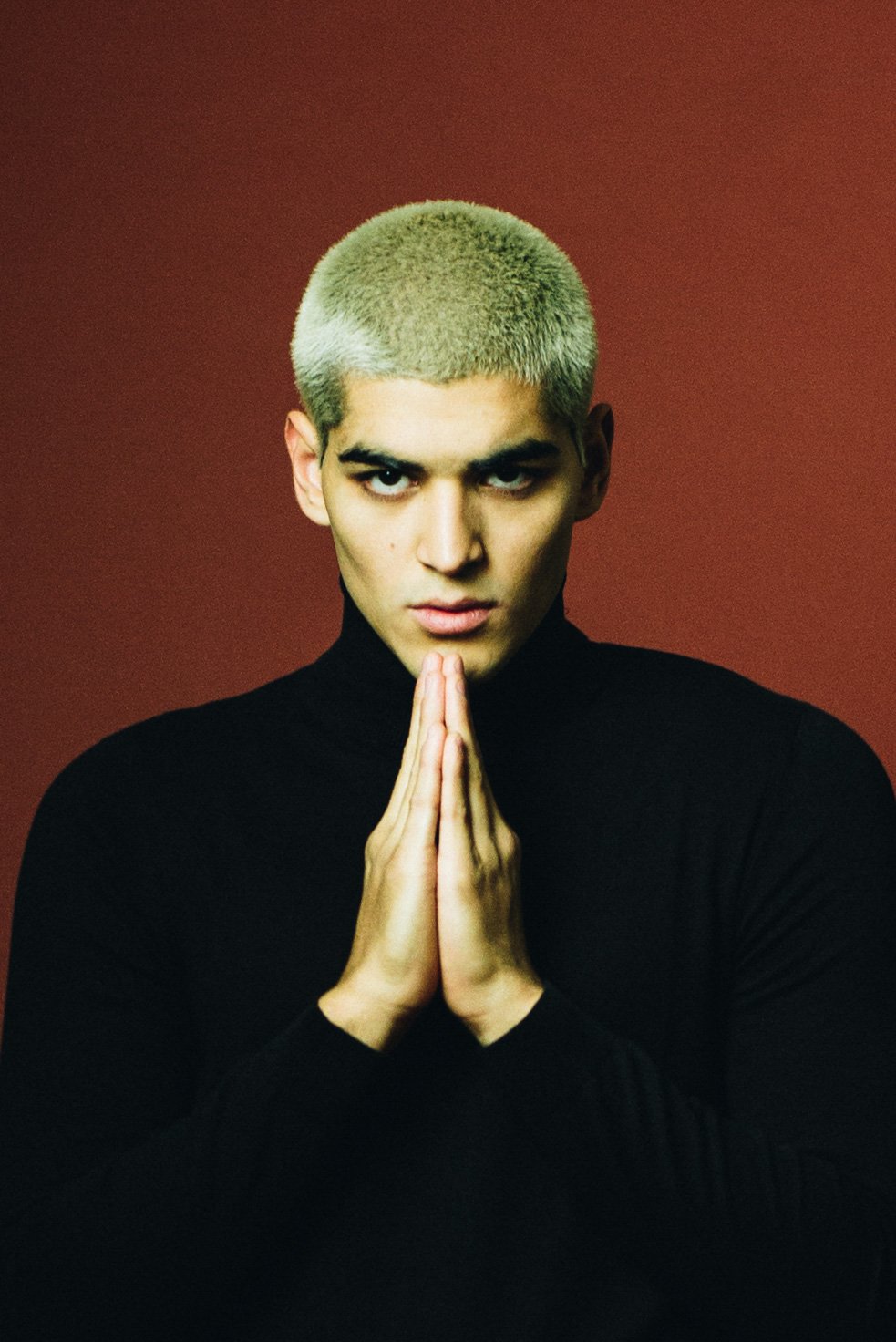
The first time I understood the camera was a weapon, I was standing in good light and bad faith—both of which flatter the subject. We pretend the lens "captures," like it's some butterfly net for beauty. No. It interrogates. It asks questions your face didn't consent to answering. It takes your most rehearsed expression, waits until your body forgets to hold it, then photographs the gap. And the audience—your client, your followers, your future self—is the jury.
That's the thing people don't say out loud because it ruins the polite fantasy of "documentation." Images aren't neutral. They're confident. They persuade by pretending they don't. A frame is a decision disguised as evidence.
Hunter S. Thompson made a career out of admitting the bias with a grin, then driving the narrative like a stolen convertible through the desert. That's photography, too, when it's done properly. The honest move isn't neutrality—it's authorship. "This is what I saw, and here's how I'm going to make you feel it."
Film makes you pay for your lies. Every frame is a toll booth. You feel the finite nature of it—the scarcity that forces taste upstream. You don't get to machine-gun your way to meaning without consequences. Digital, by contrast, offers infinite ammunition and calls it freedom. Freedom can be a trap. You end up with a thousand almosts and no inevitables.
This is where the modern seduction arrives, dressed well: AI. AI doesn't just forgive mistakes; it offers to erase them retroactively, to airbrush the consequences out of your decision-making. Bad sky? Replace it. Missed focus? "Enhance." Skin too honest? Smooth it into a new person. The problem isn't that these tools exist. The problem is what they do to your spine if you let them. When salvation is always available, discipline starts to feel optional. Optional discipline becomes decay.
And still—here's the inconvenient truth—I love the tools. I love what they can rescue. I love the way they can let you move faster, iterate smarter, pre-visualize the impossible, and arrive on set with clarity instead of superstition. The point is not abstinence. The point is control. Not control over the pixels—control over yourself.
Richard Avedon didn't need a thousand frames. He needed the one frame where the subject realizes they've been seen. Helmut Newton didn't chase permission; he chased tension—clean lines, sharp intent, a moral ambiguity you could hang a coat on. Their discipline is the point: not nostalgia, not fetish, discipline.
The lie is inevitable. Every photograph is a selective confession. Your job is to make the lie beautiful and intentional, and then be brave enough to admit why you needed it. Because the only sin worse than fabrication is pretending you didn't fabricate.