
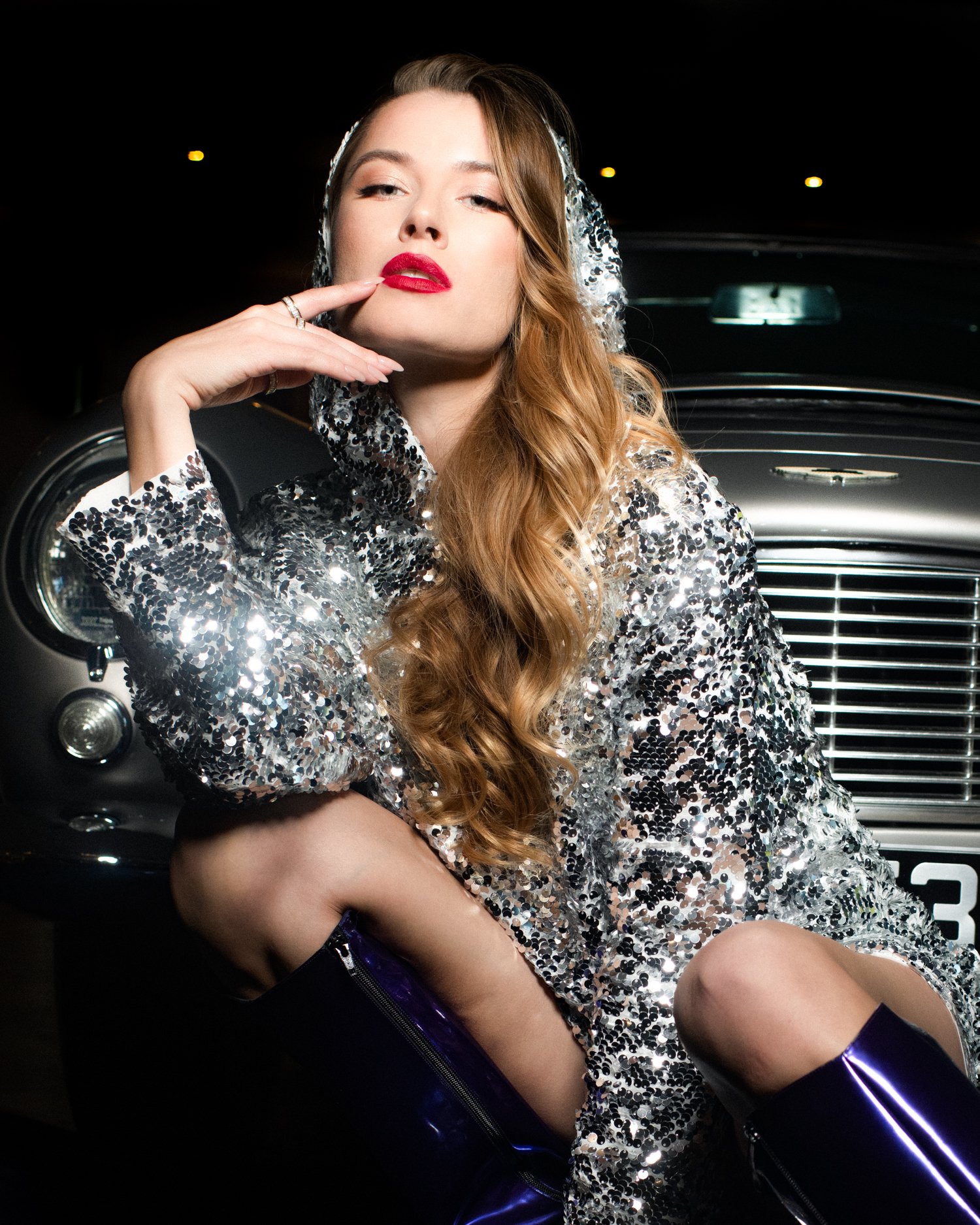
There is a mannerly way to ruin a photograph: elegant, restrained, utterly correct—and dead. The kind of image that looks like a luxury hotel lobby smells: expensive, clean, and faintly haunted. This is what happens when you treat light like a technical requirement instead of a language.
Light has manners. It enters the room like a duchess: unhurried, selective, and absolutely certain of its right to be there. Key light is the headline—what the audience reads first. Fill light is gossip. It spreads. It softens the truth until you can't tell what anyone really meant. Backlight is seduction: it implies more than it explains, which is why it works on the human nervous system like a slow drink.
The old masters understood lighting as etiquette and power, not "exposure." Horst P. Horst could make a body look like sculpture—formal restraint, controlled shadow, a kind of aristocratic patience. Man Ray proved the opposite route: light as invention, shadow as plot twist, the darkroom as a laboratory for desires you didn't have words for yet. Different sensibilities, same conclusion—light is not illumination, it's authorship.
Film taught this with consequences. You couldn't fix everything later. You couldn't "recover" meaning in post like it was a lost file. Film demanded decisions at the moment of creation, and because it was unforgiving, it trained your taste. Digital is generous. AI is indulgent. Indulgence isn't evil, but it has a smell, and the audience can detect it—like perfume sprayed too close to the skin.
So what's the etiquette now, in the age of infinite correction? It's simple and brutal: let the shadows speak. Don't fill them because you're afraid of what they'll say. Don't flatten your contrast because the client fears drama. Drama is the point. You're not lighting a kitchen; you're lighting a psychology.
If you want the Queen's English of cinematography, it isn't in fancy words. It's in restraint. It's in letting darkness finish the sentence.