
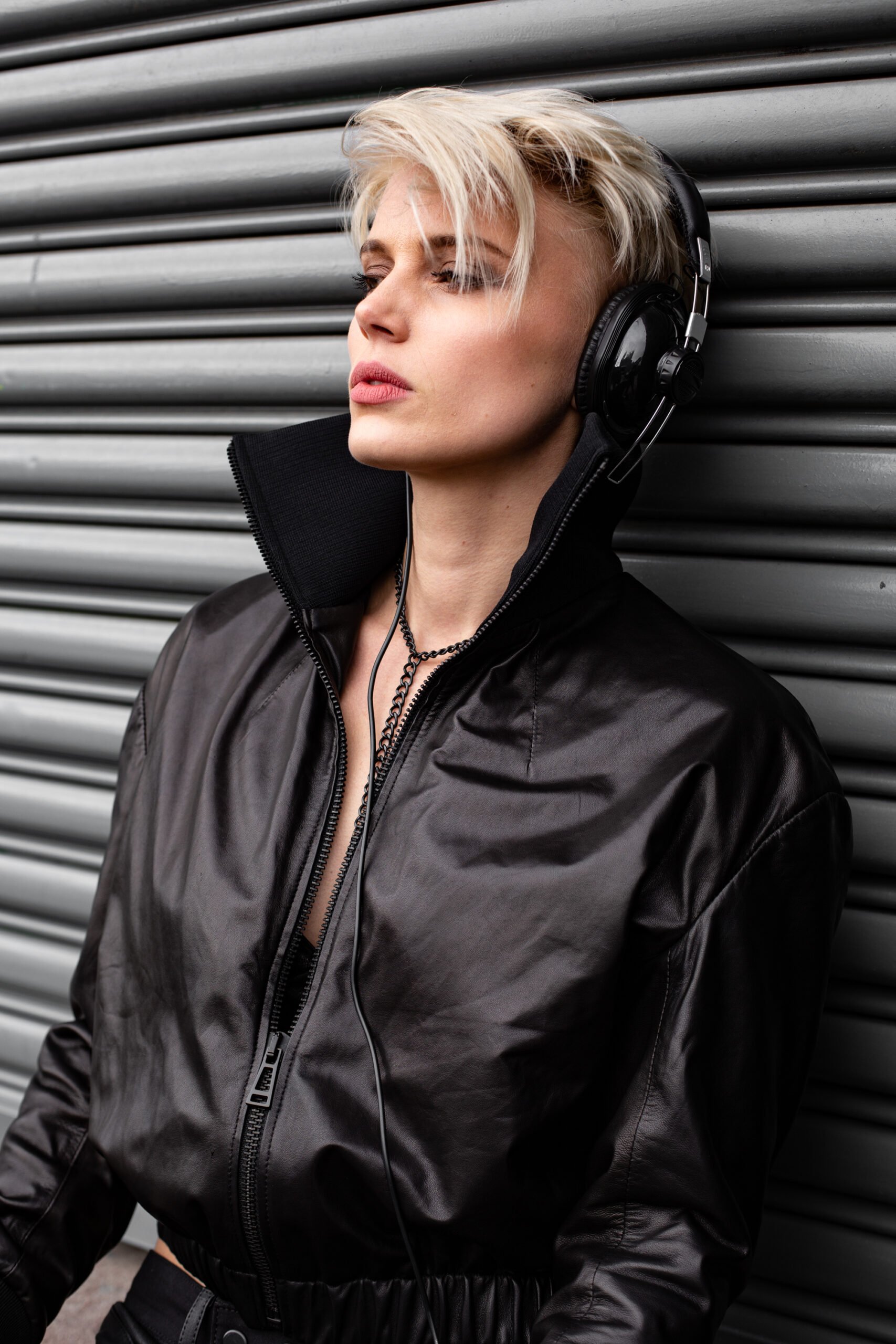
Directing people is theft, but done politely.
You're stealing posture, vulnerability, the best angle, the most convincing version of someone's confidence. If you're careless, you steal their dignity too, and then you're just another predator with a camera. The line is thin. Taste and ethics share a wall.
The Queen's English approach is deceptively simple: make it safe, make it elegant, then ask for something dangerous. Give verbs, not adjectives. "Be sexy" is lazy direction. "Hold the gaze like you're deciding whether to forgive me" is a verb. "Look powerful" is vague. "Take up space like it's owed to you" is actionable.
Demarchelier could make people look inevitable—like they belonged in the frame the way a well-tailored suit belongs on a body. Newton could make people look like they were negotiating with danger. Different energies, both rooted in specificity. The subject needs clarity more than they need reassurance.
AI can help now. It can generate pose ideas. It can suggest blocking. It can draft direction prompts tuned to mood. Useful—especially in pre-pro. But direction on set is timing and intimacy. It's reading micro-expressions and the subtle shift in breath when the subject drops the performance and accidentally reveals the person underneath. That moment cannot be automated. It can only be earned through presence.
If you want your work to feel broody but sexy, nihilistic but hopeful, you don't direct "mood." You direct contradiction. You say: "Smile like you don't believe it." "Stand still like you're resisting the urge to run." "Touch your collar like you're checking whether you're still real." Contradiction creates tension. Tension creates cinema.
Directing talent isn't control. It's a collaboration where you borrow truth without breaking trust.