
Digital is abundance. Film is appetite.
Film forces a kind of hunger that makes you sharper. When you load a roll, you feel the scarcity like a physical thing. You stop taking pictures and start taking decisions. You don't shoot to "see what happens." You shoot because you've decided what must happen. That discipline is the real "film look." Not grain. Not halation. Discipline.
Digital lets you defer taste until later. Later is a seductive place where responsibility goes to die. Later is where you promise yourself you'll fix the lighting, fix the skin, fix the mood, fix the story. Later is where you discover that you didn't actually decide anything in the moment, so there's nothing real to enhance—only something to simulate.
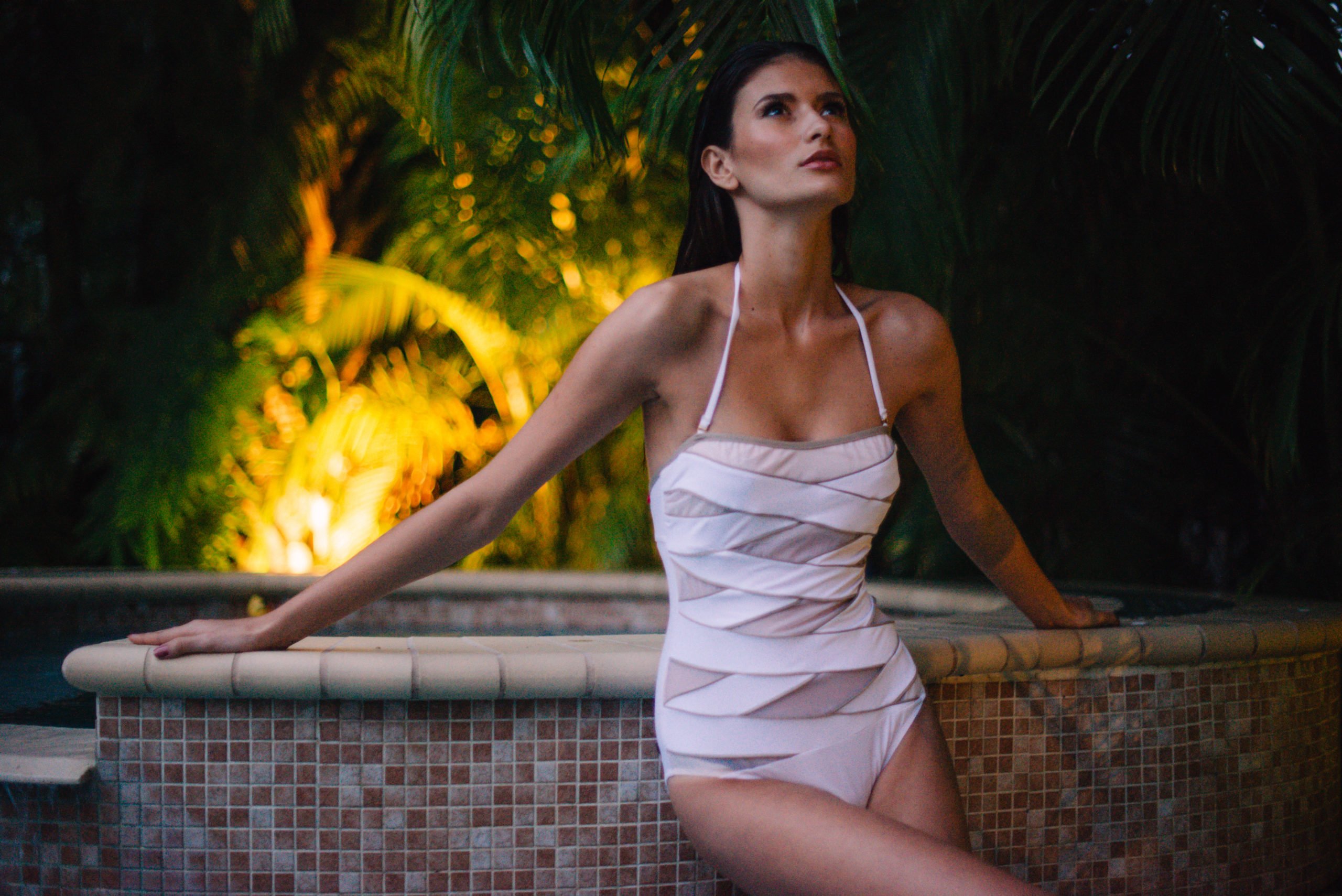
Fashion photography has always known this, even when it pretends otherwise. Patrick Demarchelier could make elegance look effortless, but it was never casual. Effortless is a result, not a method. Avedon made discipline look like personality—because he understood that the frame is a psychological trap and you must build it with intent.
AI now offers a new kind of abundance: infinite second chances. It's exhilarating and dangerous. It can rescue a shot you should have nailed. It can save you from a location that betrayed you. It can repair a mistake that would have ruined a day ten years ago. But it also tempts you to stop respecting the moment. If every frame is salvageable, nothing feels sacred.
So here's the compromise that actually works: shoot digital with analog rules. Limit your takes. Treat your shutter like it costs money even if it doesn't. Light decisively. Compose as if you can't crop. Commit to a palette. Commit to a mood. Commit to the thing you're trying to say, so the tools enhance an intention instead of replacing it.
The goal isn't to worship the past. The goal is to recover what the past demanded: consequences. Appetite. A beautiful, hungry discipline that makes your images feel alive.